










Everywhere today we hear corruption scandals echoing in the halls of Congress and Senate hearings. Flood control projects worth billions are questioned. COA reports flag overpriced, unfinished, or ghost programs. The pork barrel ghosts are back in the headlines. And the names? The same names are being mentioned. Names that have been with us for decades—names that never go away. It is frustrating, maddening, to watch the corrupt litigate the corrupt, as if they were ever capable of holding each other accountable. The circus continues, but justice never comes.
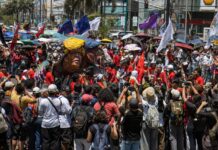
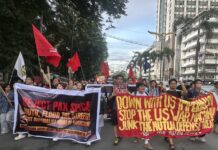
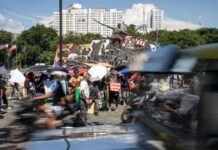
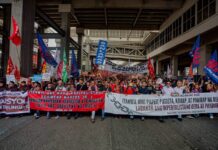
And so, September 21 comes—the day Martial Law was declared under Ferdinand Marcos Sr., remembered for years of repression, plunder, and abuse. Each year, groups across society renew the call: Never again. This year at Luneta, thousands—activists, victims’ families, youth, and citizens—are expected to gather in unity, fueled not only by memory but by today’s anger over massive corruption in government projects.
This may be an anti-climactic opinion. However, anti-climactic as it may sound, I hope you take this as a challenge—to level up the fight.
I recognize the September 21 rally. I recognize the movement and the passion that fueled it. For some, it may be a turning point, a symbolic gathering that resists tyranny’s return. But let us be real: no justice is served simply by holding a peaceful rally.
The plunderers, the corrupt, and those in power are too thick-faced to be rattled because thousands marched to Luneta. History has shown us that they can hear the chants, watch the speeches, and still remain unmoved. In fact, such programs may even become an avenue for opportunistic leaders—or worse, the corrupt themselves—to hijack the moment for their own gain.
Look at Indonesia. When their people reached breaking point, they did not only march and speak. They took revenge. They exacted accountability with their own hands. They toppled systems, not only leaders. And while this brought its own complexities, it proved a hard truth: real change is never handed down gently; it is seized.
Our problem is not isolated scandals—it is systematic. The rot is not just in the policies, but in the very leaders who sustain them. And while the system is already problematic, to hope is to aspire for a better nation. Hope does not deny the rot, nor does it ignore the failures we endure. Rather, it insists that despite the cracks, the dream of a just and honest society is still worth holding on to. Hope is not blind—it is the quiet strength that allows us to believe change is possible, and that the future can be brighter than the present.
The first step is on us: stop reelecting the thieves. Stop recycling the same names, the same dynasties, the same families who have already betrayed us. It is insulting—an open wound—that after everything, we still line up at the polls and hand them back their power. We cannot demand justice while giving our votes to the very people who deny it. Forgetting so easily is the reason justice remains elusive.
Yet even then, electing the good ones is not enough. It may be a beginning, but never the end. A deeper, more radical change must be demanded—one that reshapes not only the faces in power but the very way power is held and exercised. Without that, we will only be repeating the same cycle, dressed in new names but rooted in the same broken system.
This is not to prescribe what must be done—because spelling it out in this country would be more than dangerous. But IYKYK. You know what I mean. You feel it, too.
And yes, it is frightening—more frightening than calling for another rally at Luneta. To even whisper alternatives is enough to draw suspicion. But IYKYK.
The September 21 rally matters. It is part of the struggle. But if we want true justice, we must accept this: rallies alone will never be enough


