





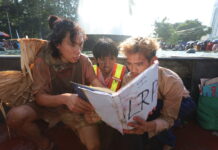



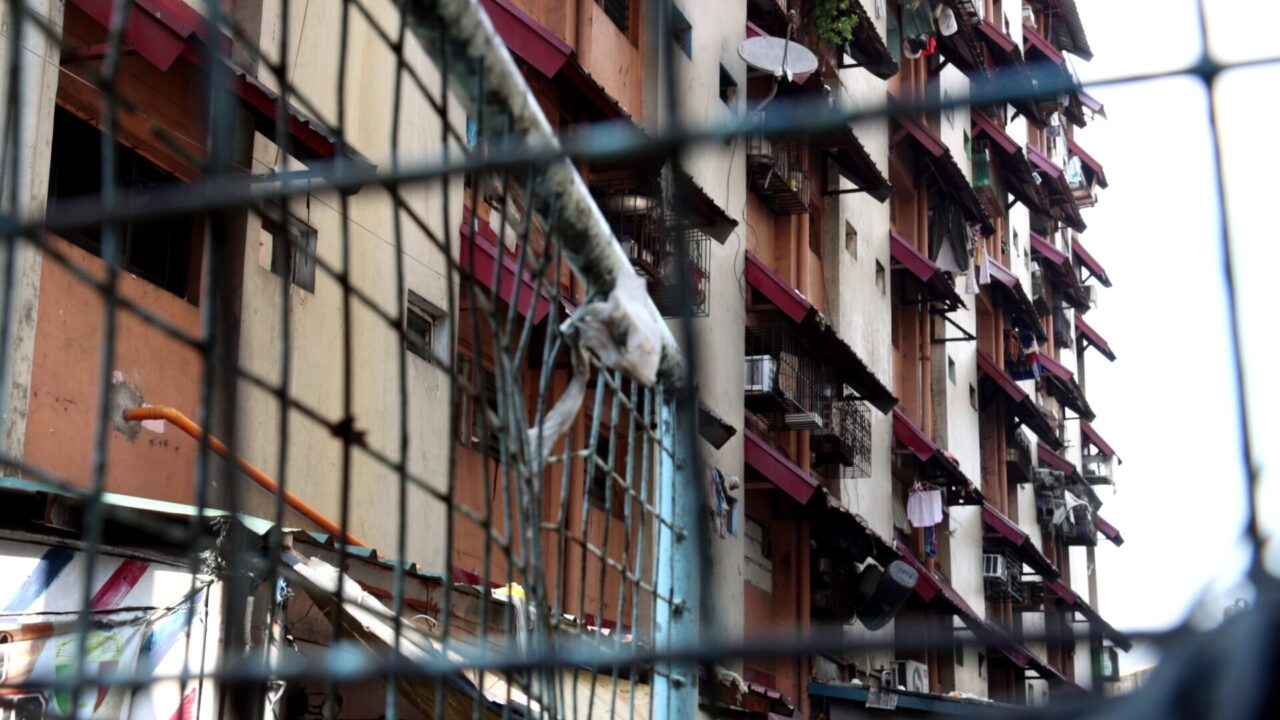
“Hindi kami aware. Baka sila lang may alam sa mga ganyan,” shared Aimee, a resident of Building 4 in Paradise Heights (formerly known as Permanent Housing), when asked whether she had known about or been informed of a public scoping held last June 8.
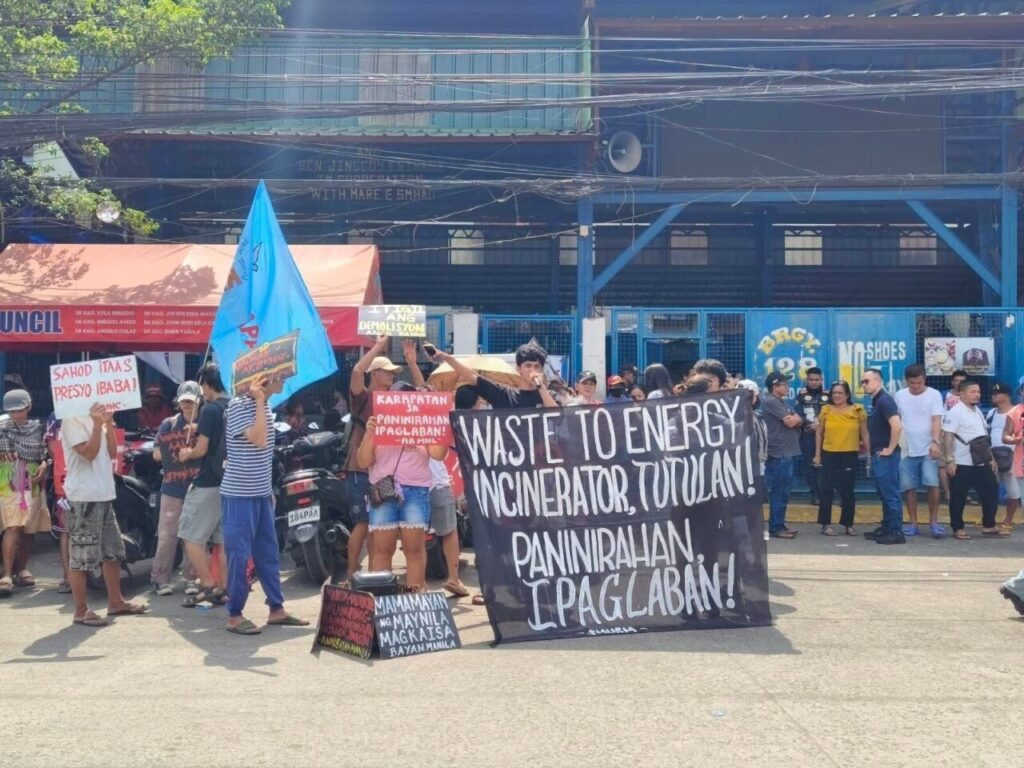
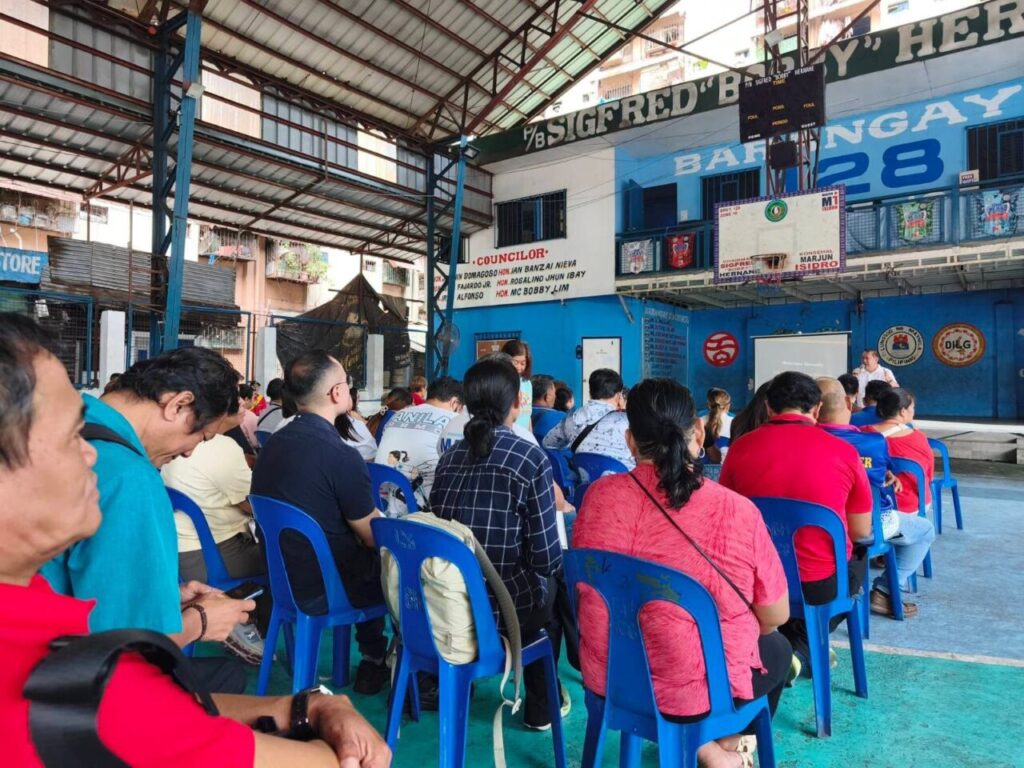
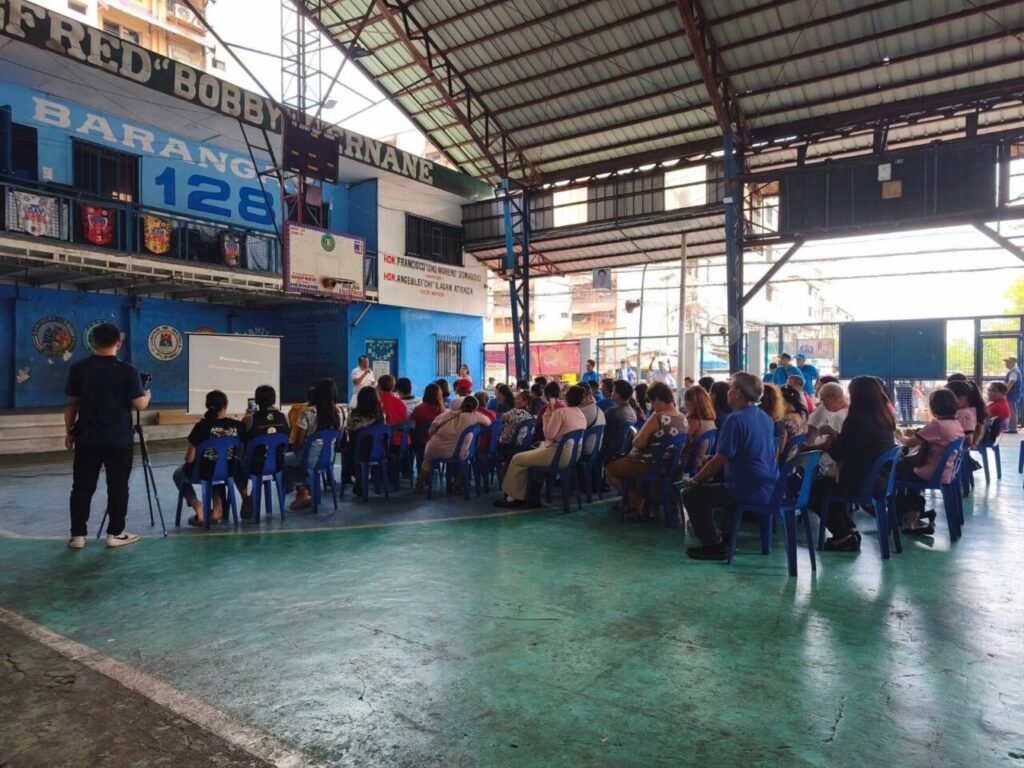
It has been a month since the public scoping for the proposed 10.8-hectare Smokey Mountain Land Restoration Project (SMLRP) was held in Brgy. 128 in Tondo, Manila. Still, several residents like Aimee have little to no knowledge about such a project that would directly affect their homes, livelihoods, and health in the community they have lived in for decades.
Mandate under scrutiny
Last May, residents of Upper Smokey Mountain and Marala reported the deployment and staging of heavy equipment alongside harassment and displacement threats carried out by guards from Edun Security Agency of R-II Builders. These developments have already begun despite the project lacking the Environmental Compliance Certificate (ECC) and a completed Environmental Impact Assessment (EIA) from the Department of Environment and Natural Resources (DENR).
The SMLRP includes excavation and removal of approximately 1,000,000 cubic meters of legacy waste in the former Smokey Mountain dumpsite being claimed by R-II Builders owned by business tycoon Reghis Romero.
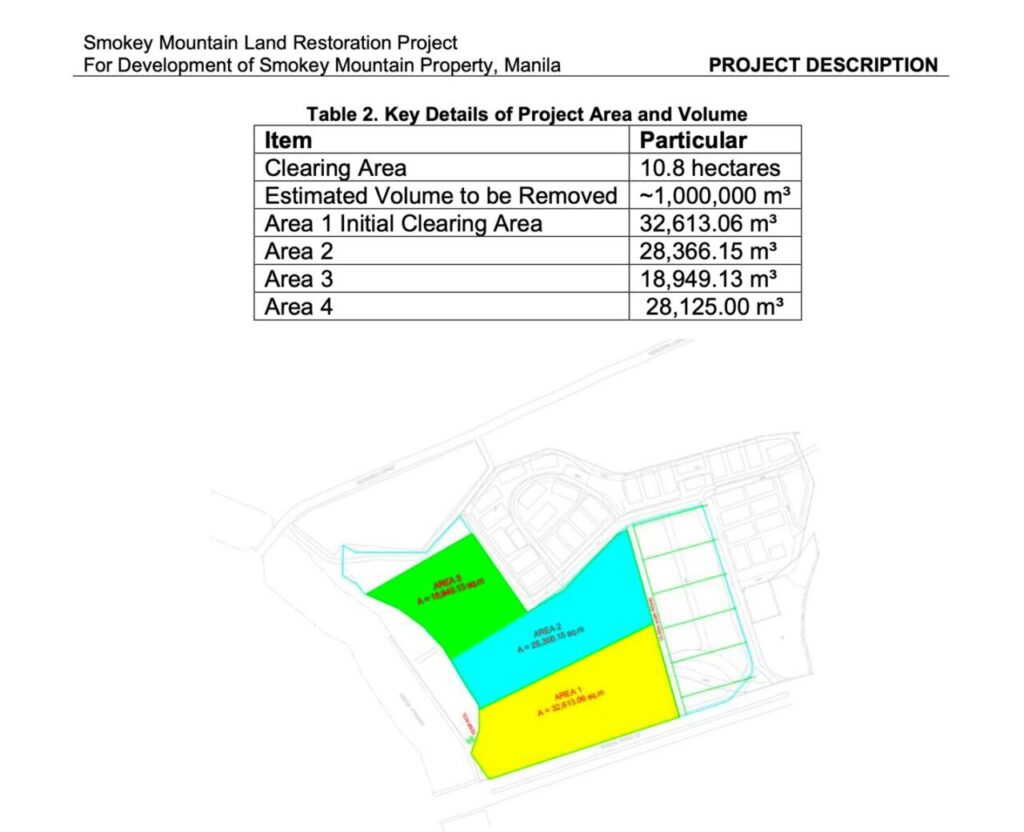
The Manila Anti-Incineration Alliance (MAIA) noted that the project is being presented as a land restoration initiative to avoid more stringent environmental requirements despite its actual purpose as a preparatory phase for the construction of the 100-megawatt waste-to-energy (WTE) incinerator facility under Philippine Ecology Systems Corp (PHILECO), a company also owned by Romero.
MAIA further questioned the legal authority of Atty. Norma Singson-De Leon as the Court Receiver managing the Smokey Mountain Asset Pool (SMAP), acting as the project proponent for the said restoration project.
“The Court Receiver has no authority to step into the shoes of the developer to construct buildings, pave roads, or undertake high-risk waste and energy infrastructure,” MAIA stated.
The group added that while R-II Builders was designated as the private developer responsible for construction, reclamation, and land development under the Smokey Mountain Development and Rehabilitation Project (SMDRP), the Court Receiver’s role is merely to preserve and administer the disputed assets.
When information is out of reach
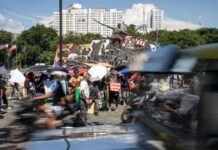
Around 70,000 residents comprising Barangays 101, 105, 128, and 129 make their home in the SMDRP site proclaimed by virtue of Proclamation 39 for low-cost housing and urban poor development.
Paradise Heights was also developed as part of the SMDRP, with each five-storey building having 80 housing units. Many of these units are shared by two to three households.
“Sa barangay (128), ang kadalasang binababa lang ay kung may mga pamigay na ganito, may problemang ganito na nasolusyunan. Pero yung malaking itatayo riyan, wala,” Aimee added.
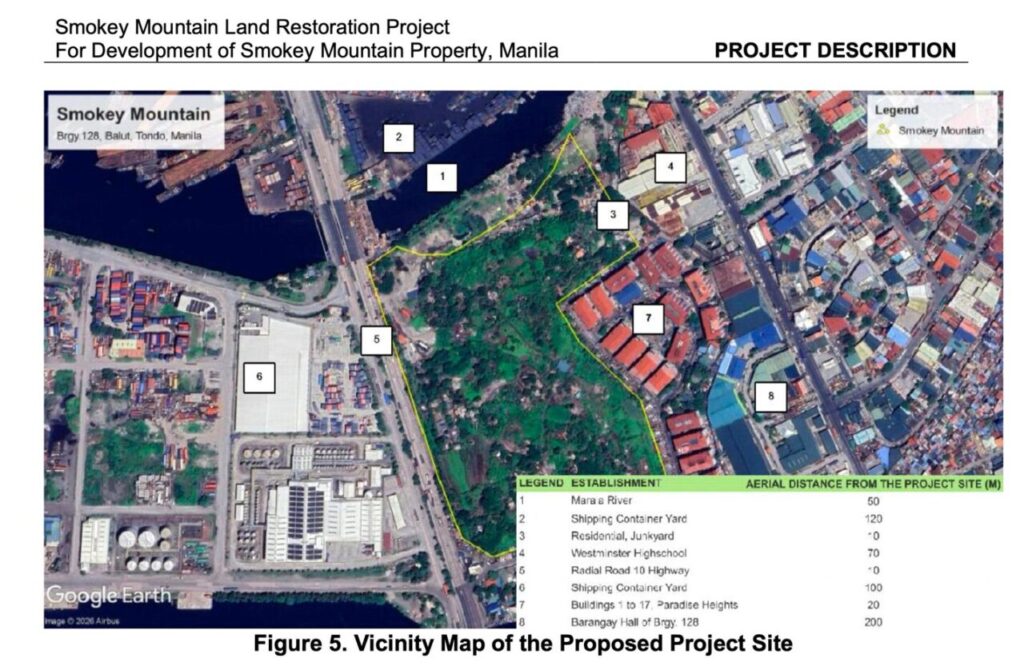
According to the SMLRP project document, Buildings 1 to 16 of Paradise Heights are located approximately 20 meters from the project site boundary.
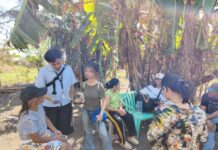
Anora Madrid, a resident of Upper Smokey Mountain and vice president of Samahan ng Magkakapitbahay sa Upper Smokey Mountain – KADAMAY (SMUSM), said that the residents are uninformed not because they do not care or refuse to participate but because they are simply denied timely, adequate, and accessible information.
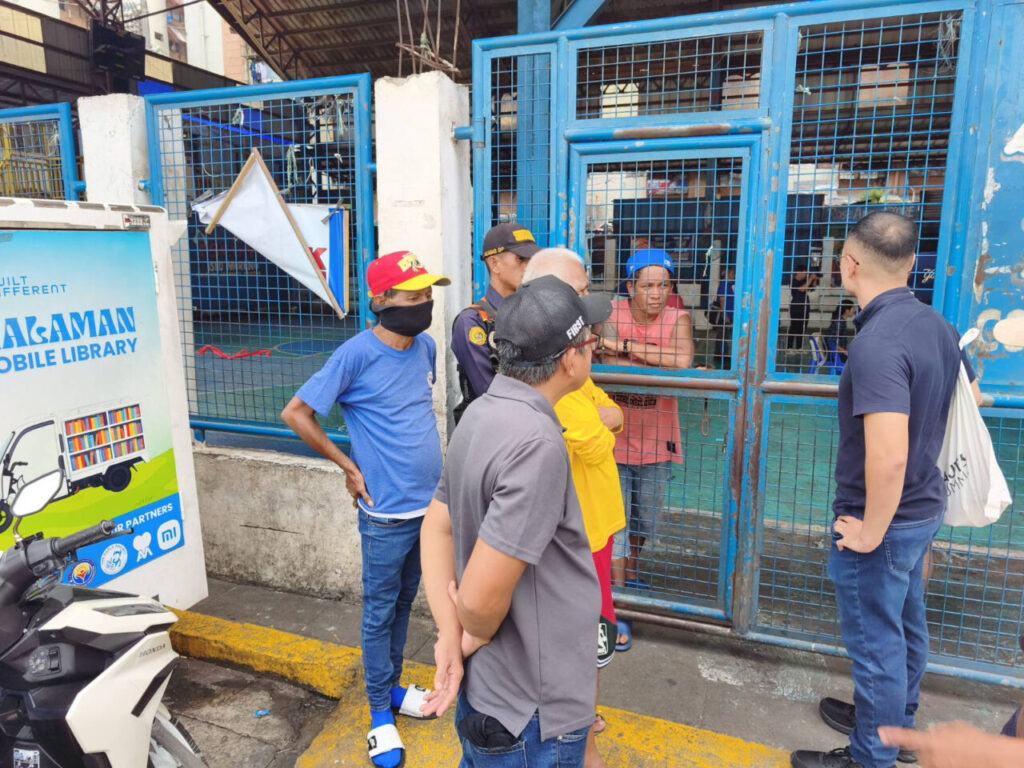
The lack of access to information was also reflected in the conduct of the public scoping process. Even when asked about the WTE incinerator facility, several residents around Paradise Heights were told that a school, a mall, or a warehouse would be built on the former Smokey Mountain dumpsite.
Under DENR Administrative Order No. 2017-15, the Project Description for Scoping (PDS) should be posted on the Environmental Management Bureau (EMB) website at least ten (10) days before the public scoping session. However, the consultation held last June 8 was conducted only seven (7) days before the actual PDS was posted online.
Madrid lambasted the fact that the PDS uploaded on the EMB website and the slide deck presented by the Court Receiver were both written entirely in English, which prevented many affected residents who primarily speak Tagalog from fully engaging and expressing their views during the consultation process.
“Masyadong teknikal at hindi madaling maunawaan yung mga nilalabas na public scoping. Kung maglalabas man, sa online lang. Marami pa nga sa amin yung hindi pa papapasukin nung aktwal na araw ng public scoping,” Madrid shared.
MAIA also reported that the Local Interagency Committee (LIAC) tasked to oversee humane relocations failed to secure meaningful consultation with affected communities.
According to the group, the LIAC selectively engaged with certain organizations while excluding others. As a matter of fact, Nagkakaisa at Nagdadamayang Maralita Organization (NANAMOR), the remaining community organization the LIAC has been communicating with, has stepped out of the consultations due to the process and the proposed number of beneficiaries.
“They mentioned invitations were only sent a day before the consultation and through private channels, denying them a space to discuss among themselves and decide collectively with other interest groups,” MAIA added.
Oppose SMLRP, WTE
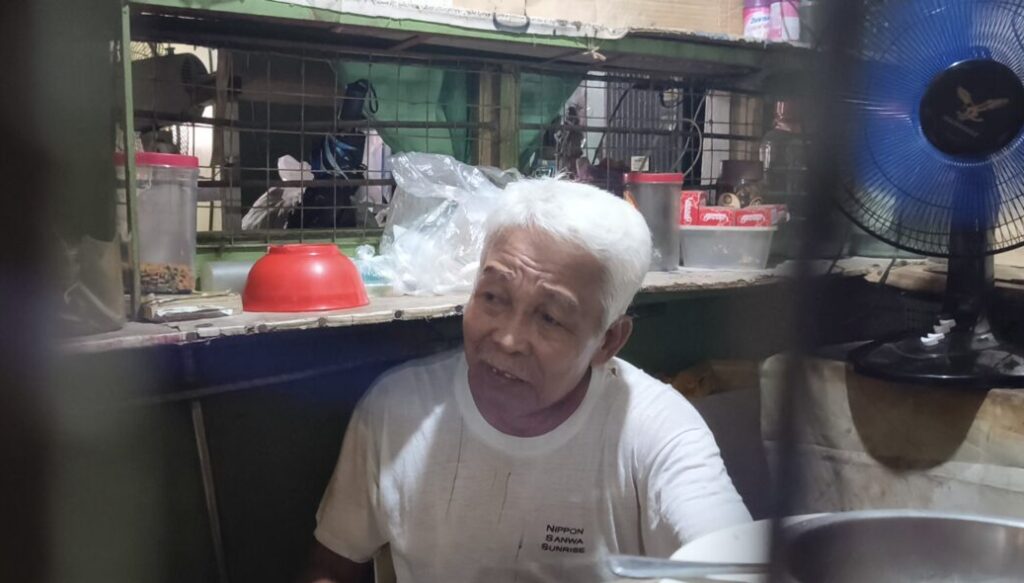
Mang Totoy, a resident of Building 9, expressed concern especially for children, the elderly, and vulnerable individuals over the glaring health impacts posed by the WTE incinerator facility. For him, these concerns came amid longstanding air quality issues in their community.
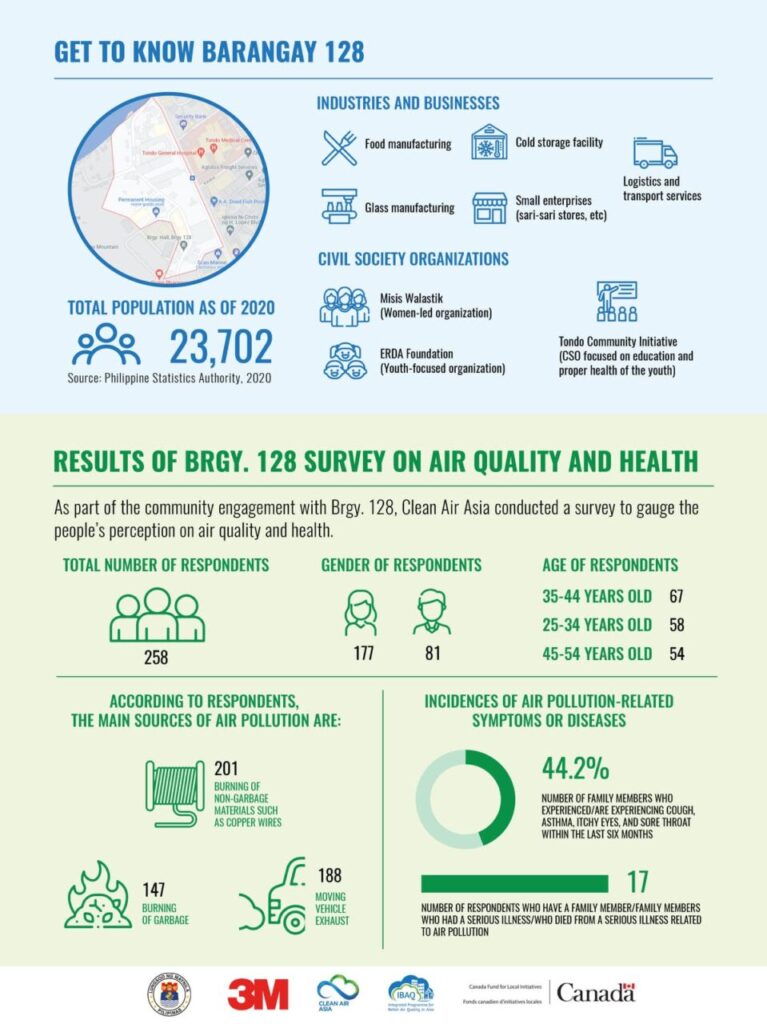
In a 2021 community survey by Clean Air Asia, nearly half of respondents reported that they or their family members had already experienced symptoms or illnesses they associated with air pollution.
Aimee also recalled a consultation with their community doctor who said that many children in the area already suffer from respiratory illnesses linked to poor air quality.
“Mas maraming nagkakasakit dahil kadalasan, ang sabi ng doktor sa center, galing sa 3rd floor to 5th floor ang nagkakasakit ng pneumonia at tuberculosis dahil sa usok ng bundok at sa pauling. Pabalik-balik na ang sakit ng mga tao tapos nagkakahawaan na,” she lamented.
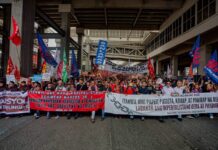
Meanwhile, MAIA emphasized their three-point demand to halt the planned SMLRP and WTE incinerator facility.
- Uphold the national ban on incineration as stated in the Ecological Solid Waste Management Act and Clean Air Act.
- Immediately stop violent evictions and ensure on-site, in-city housing in Smokey Mountain.
- End intimidation, fencing, and harassment by private security and barangay personnel.
“Dapat hindi nila dapat gawin iyan (WTE incinerator facility) diyan lalo na kapag hndi naman nakakabuti sa mga nasasakupan,” Aimee added.


