








Part 2
Although freelancers make a major contribution to the media landscape, their needs and viewpoints are often overlooked if not neglected. Despite their growing numbers, their visibility remains limited and makes it difficult for them to push for better working conditions and fair treatment, as they lack sufficient platforms to voice their concerns.
“I don’t think we’re even visible enough to newsrooms and media outfits for us to be heard,” one freelance journalist emphasized.
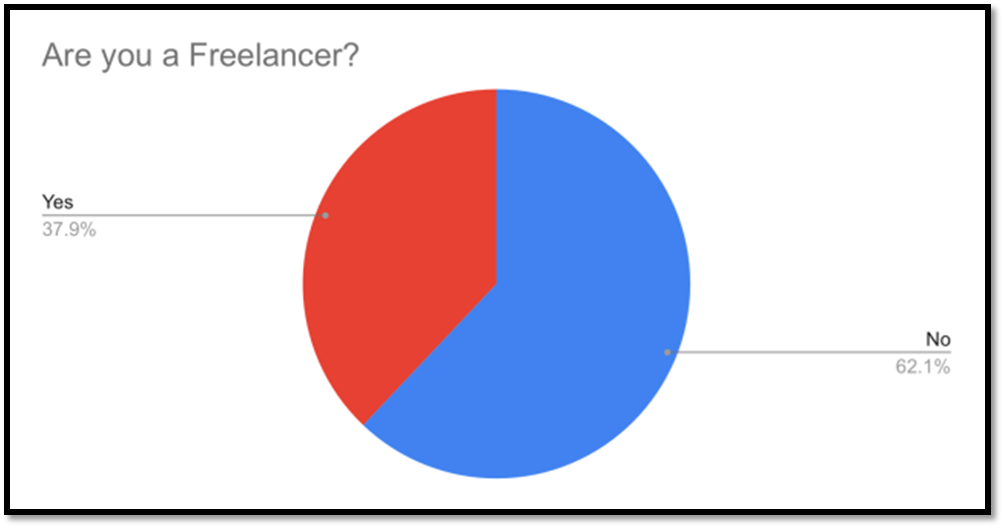
According to the survey, NUJP survey further revealed a significant trend among journalists working as freelancers.
In 2021, the union published a feasibility study on establishing a guild for Filipino freelance journalists, where it emphasized that while media agencies and groups are already in existence in the country; none of these, however, were established solely to attend to the emerging needs of freelancers.
“It cannot be denied that the unconventional nature of this new economy has given Filipinos more options and opportunities in making a living. But it also comes with its own set of problems—delayed or nonpayment of fees, zero social protections, and exploitation due to “contractless” transactions—which only lead to an overall culture of exploitation,” NUJP added.
Such a labor shift has been on a steady rise in the country as independent work appears to have become a more viable mode of employment for many since the onset of the pandemic. Given this, more individuals opted out of their usual working schedule as freelance workers emerged in various industries such as administrative work, content creation, and web and graphic design.
One ABS-CBN journalist shared two reasons why many opt for freelancing: the low salaries offered to regular employees and, for some, a lack of commitment. While freelancing can sometimes pay slightly higher than entry-level journalism jobs, payments are often delayed up to several months which makes it difficult for them to cover daily expenses.
“Yung freelancer kasi usually they are paid per project or article noh, lalo na pag foreign yung client or publication mo, mas malaki yung makukuha mo by a lot, tapos 3 to 6 months ang aantayin mo bago ka mabayaran so hindi talaga siya pwede, or hindi ka talaga mabubuhay,” the journalist said.
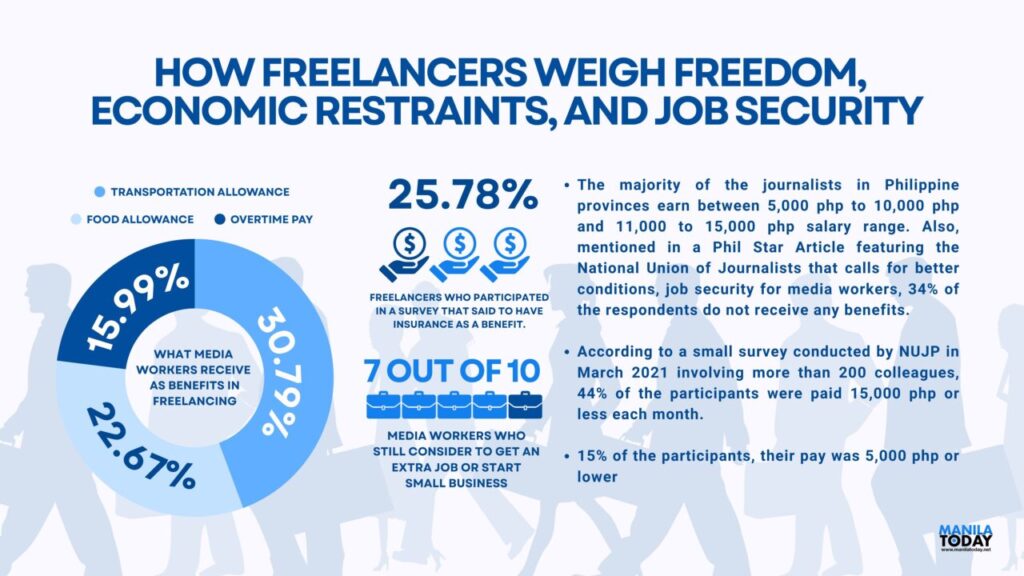
Freelance journalists have more flexibility in managing their time and are usually paid per project, per article, or per day. Some of them earn up to P5,000 a day but this does not happen consistently or daily, which makes their income unstable and difficult to rely on. Together with the absence of benefits, this setup becomes more challenging.
“Especially for media practitioners in big companies, they do not have the flexibility of finding additional or extra jobs compared to freelancers hence they rely so much more on the benefits that they will reap after their years in service,” said Bulatlat journalist and NUJP board member Alyssa Mae Clarin.
Meanwhile, NUJP further revealed that it is becoming widespread for some journalists in the media industry to receive “minimum wage or less for their work,” “solicitation,” and “undisclosed paid content.” Case in point, some journalists look for sponsors and advertisers, take allowances or gas money in exchange for news coverage, or work in public relations for government organizations and politicians.
According to the union, these “realities” were presented to give aspiring or starting journalists context about how the media industry works, especially regarding ethical practices. It becomes highly likely that when the basic needs of media workers fail to be addressed, ethical practice becomes difficult, if not impossible, and upholding their ethical duties should remain the most important in today’s changing media landscape.
Organizing freelancers
When employees demand fair treatment or salary increases, labor unions often provide a structured platform to negotiate as a united front. Such is the role of the NUJP to uphold the welfare and labor rights of journalists beyond its campaign for press freedom. This collective bargaining power increases their chances of securing better labor conditions, job security, and recognition for their professional contributions.
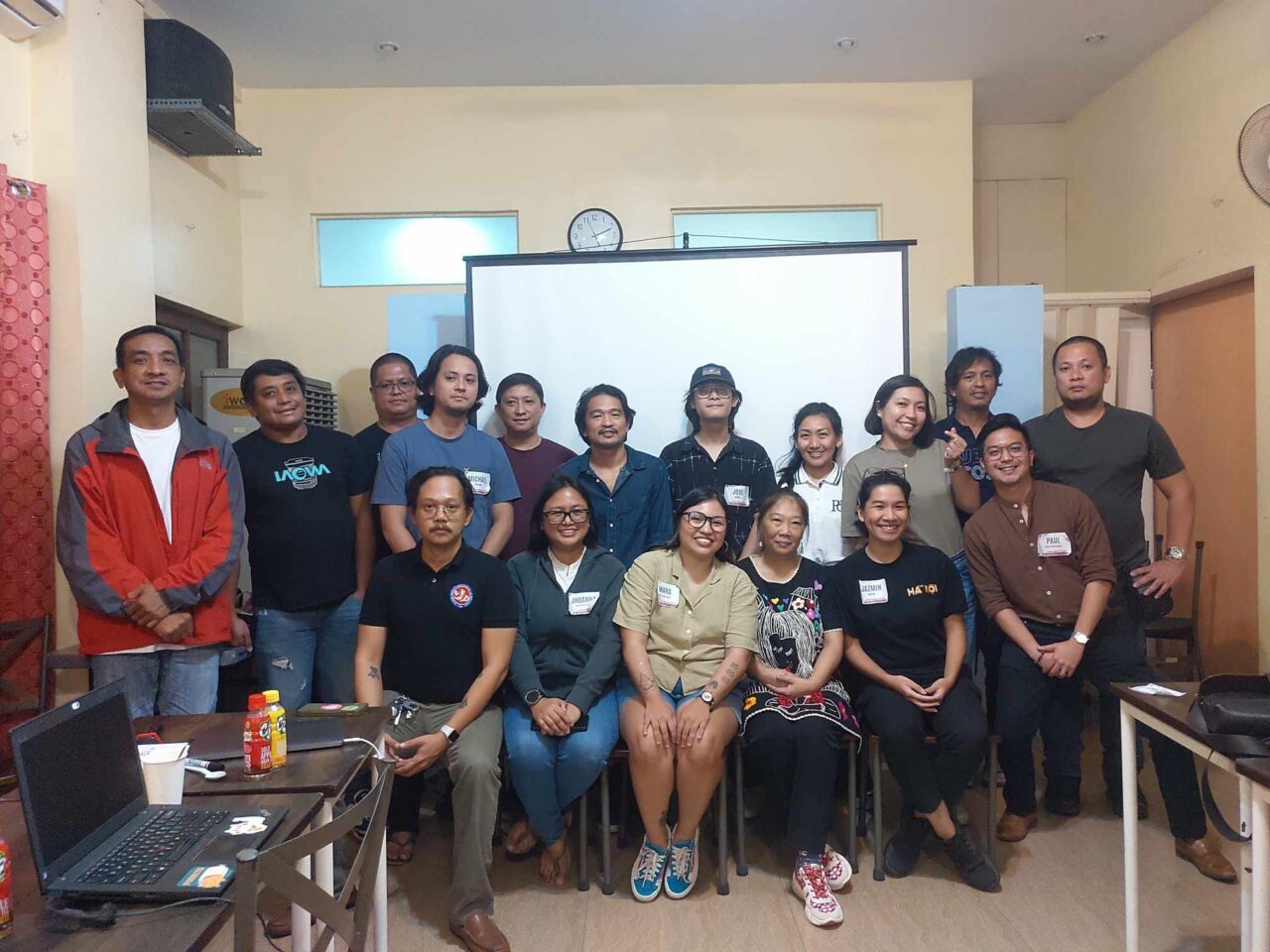
In 2023, the NUJP launched the Filipino Freelance Journalists’ Guild (FFJ) to advocate for the professional rights for better protection, fair compensation, and recognition of freelancers as legitimate media practitioners. Currently, it is also conducting a national survey to examine the ongoing challenges Filipino freelance journalists face in terms of compensation standards and working conditions.
“If you are in a union, mas collective yung boses niyo, or mas madaling i-push [ang mga requests]. Although not all the time nananalo, pero mas malaki yung bargaining power niyo kasi marami kayo eh,” De Santos said.
He also emphasized that even icons of press freedom rely on collective effort.
“Si Maria Ressa na icon of press freedom, yung mga tagumpay niya, hindi naman niya nakukuha yun na siya lang… trabaho talaga nila, ng mga tao sa Rappler,” De Santos noted.
De Santos warned, however, that journalists must remain vigilant. Without collective protection, individual journalists are vulnerable to retaliation and job insecurity.
“Kahit yung time ni Noynoy Aquino, for the long time, media darling siya but towards the end of his term, medyo combative na siya towards media,” De Santos noted.
“Kailangan nating mag-organisa, ayun magtulungan, work together kasi hindi naman kaya na isa lang, kasi kung mag-isa ka lang, madali ka lang matarget,” he added.


