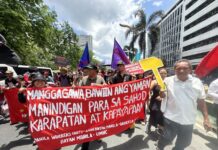



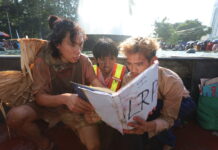


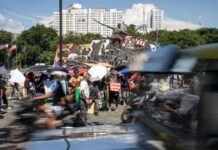
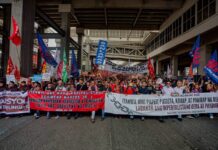


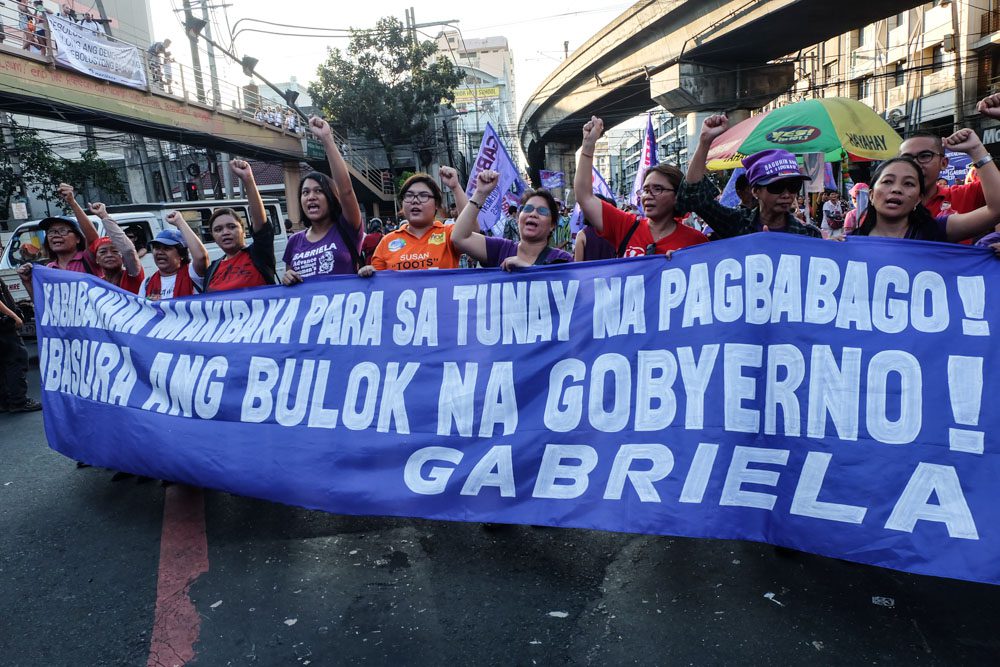
The International Women’s Day (IWD) came about as the result of struggles of working women against capitalist exploitation, recalled the statement by Jose Maria Sison, chairperson of International League of People’s Struggles (ILPS).
The statement also indicated that the first known observance of Women’s Day was on February 28, 1909 in New York. It was held by the Socialist Party of America to commemorate the 1908 strike of the International Ladies’ Garment Workers Union (ILGWU).
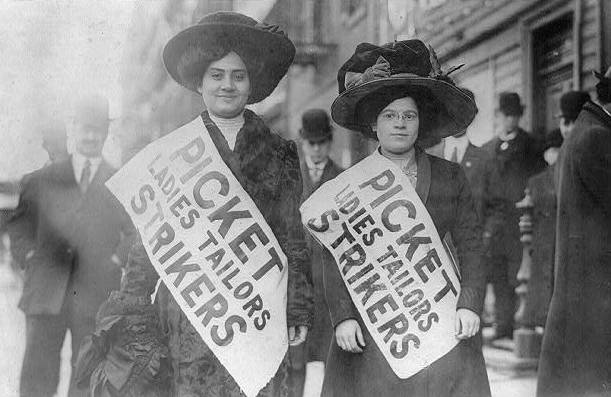
The ILGWU strike was also known as the “Uprising of the 20,000”, participated by 20,000 to 32,000 workers of the shirtwaist trade, mostly women and immigrants. It lasted 14 weeks. The strike slogan “We’d rather starve quick than starve slow” summed up the workers’ bitterness of their conditions in the sweatshops. It won for them improved workers’ wages, working hours and conditions, albeit still no union recognition.
The IWD was celebrated for the first time on an international scale on March 19, 1911, by over a million people in Austria, Denmark, Germany and Switzerland. From 1914 onwards, it became the practice to hold IWD on March 8 in all countries.
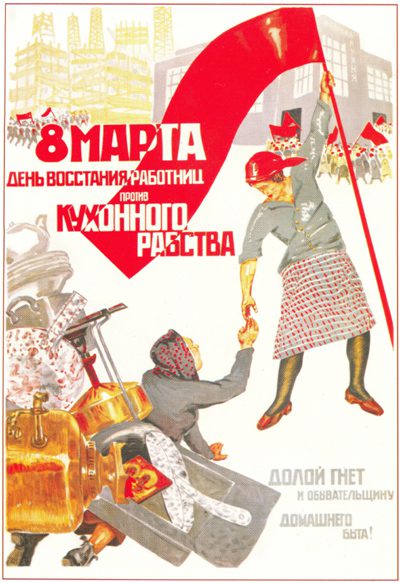
But it is after the victory of the Great October Socialist Revolution in 1917, the formation of the Soviet Union, that IWD was first made an official holiday. Women obtained right of suffrage and other rights equal to those of men, far ahead of the women in the Western world.
The United Nations only recognized and observed IWD in 1977 when it declared March 8 as UN Day for Women’s Rights and World Peace.
“It is important to recall the history of the IWD and the working class and anti-capitalist roots of the women’s movement in order to combat the attempts of the bourgeoisie and the reactionaries to obfuscate such roots, coopt the women’s movement and redirect it towards bourgeois feminism, liberalism, neoliberalism and all sorts bourgeois subjectivist currents against the working people, people’s democracy, socialism and communism in favor of the monopoly bourgeoisie, imperialism and all sorts of reaction,” said Sison in the statement.
In the Philippines, the first International Women’s Day commemoration was held on March 8, 1934 by the Katipunan ng mga Anakpawis, said UP professor Judy Taguiwalo in a speech delivered in honor of women martyrs at the Bantayog ng Mga Bayani.
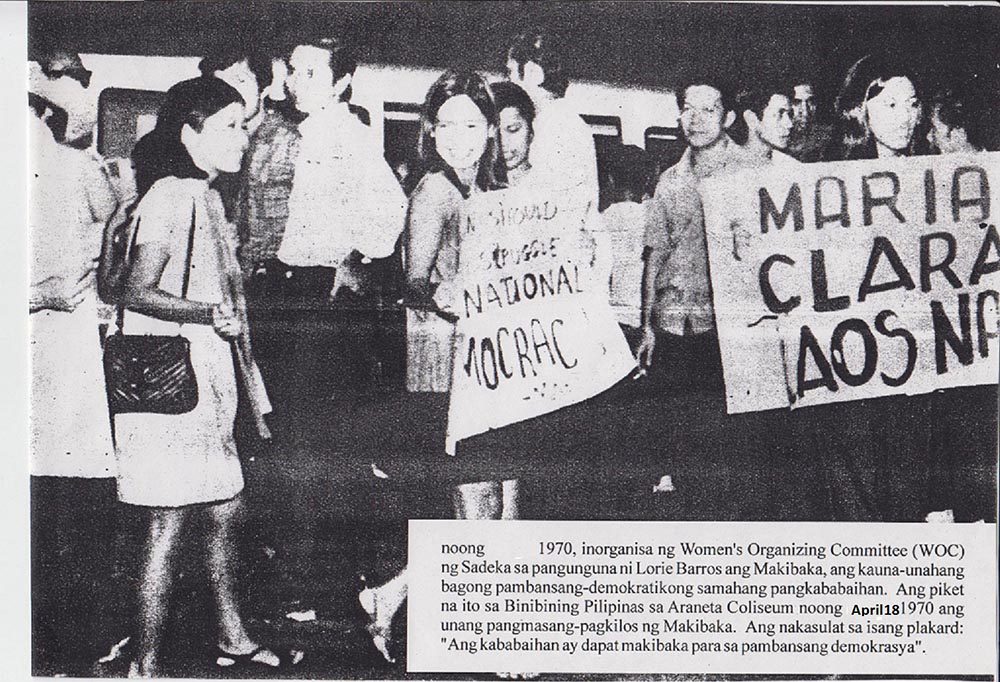
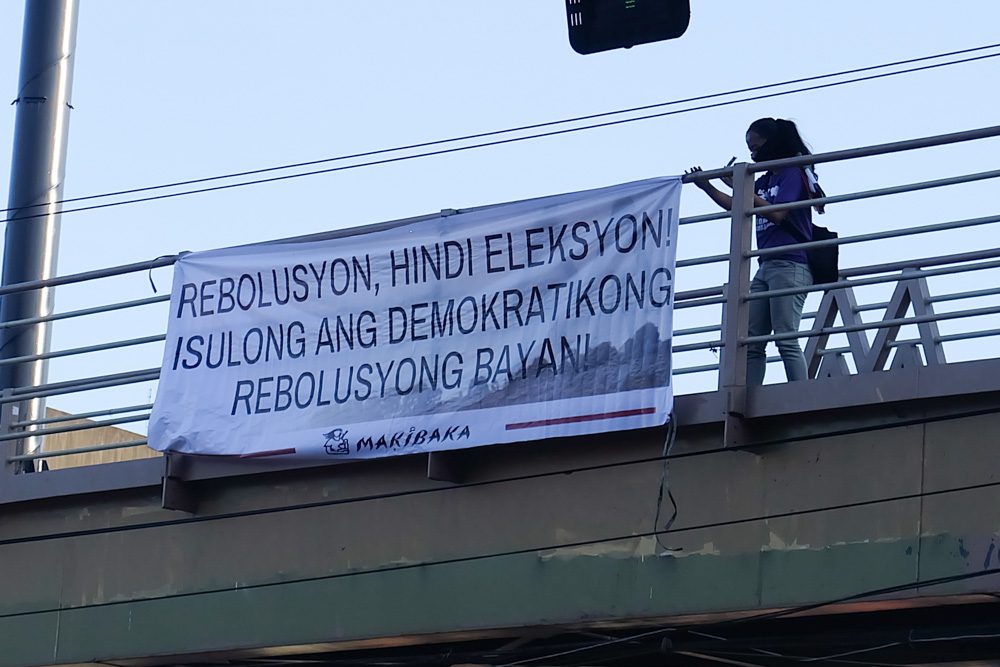
The second commemoration held on the streets was in 1971, by revolutionary women’s group MAKIBAKA.
MAKIBAKA was declared illegal upon the imposition of Martial Law in 1972. MAKIBAKA is affiliated with the National Democratic Front of the Philippines and corresponds with social change through the overthrow of the ruling system by the Filipino masses through an armed revolution. The group has remained clandestine until today.
International Women’s Day rally was again held in 1984, a few days after broad women’s alliance GABRIELA was formed.
Ka Nitz Gonzaga, vice president for Women’s Affairs of Labor of Kilusang Mayo Uno lambasted neoliberal policies that seek to the reverse gains earned by the women’s liberation movement.
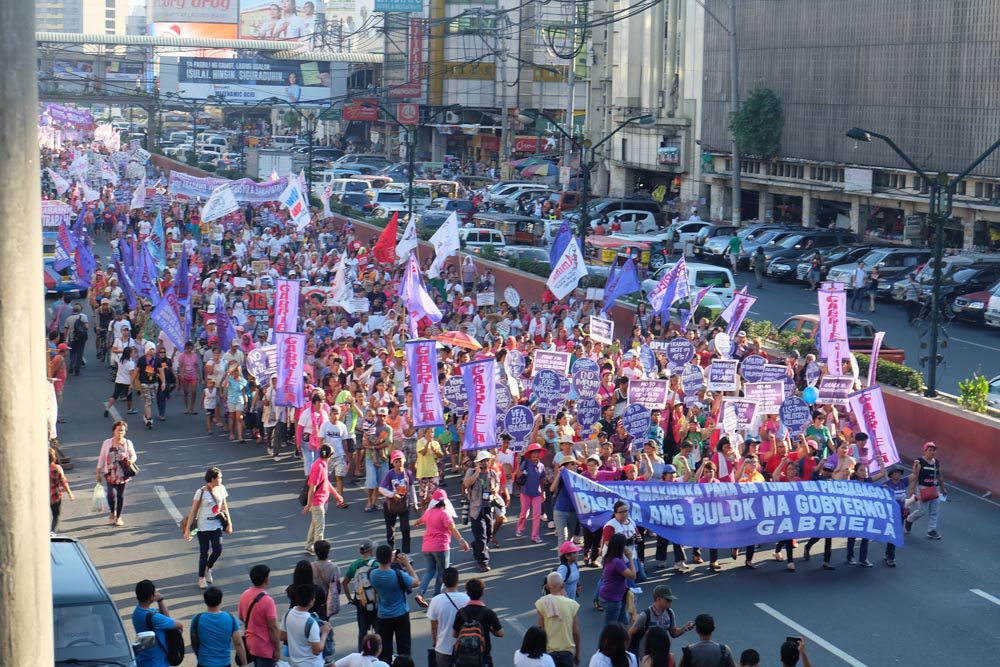
“Longer working hours are being implemented… Contractualization is on the rise while regular employment is limited,” lamented Gonzaga.
Gonzaga stressed the need for national industrialization for the country to become truly prosperous.
“In order to attain national industrialization, we must first struggle. We need a national democratic revolution,” she added.
On the IWD rally in Manila in 2016, a tarpaulin streamer by MAKIBAKA was seen hanging on the footbridge at Mendiola.
The streamer read “Rebolusyon, hindi eleksyon. Isulong ang Demokratikong Rebolusyong Bayan. [Revolution, not elections. Advance the People’s War].”
It is indeed a sign that the revolutionary spirit of Gabriela Silang lives until this day.